Ford F‑150 Lariat 13k‑lb rating: real world vs brochure
We break down the Lariat’s 13,000‑lb tow claim with actual dyno‑tested numbers and payload limits. Most guides stop at the brochure and ignore the impact of axle ratios, trailer brakes, and on‑board weight.
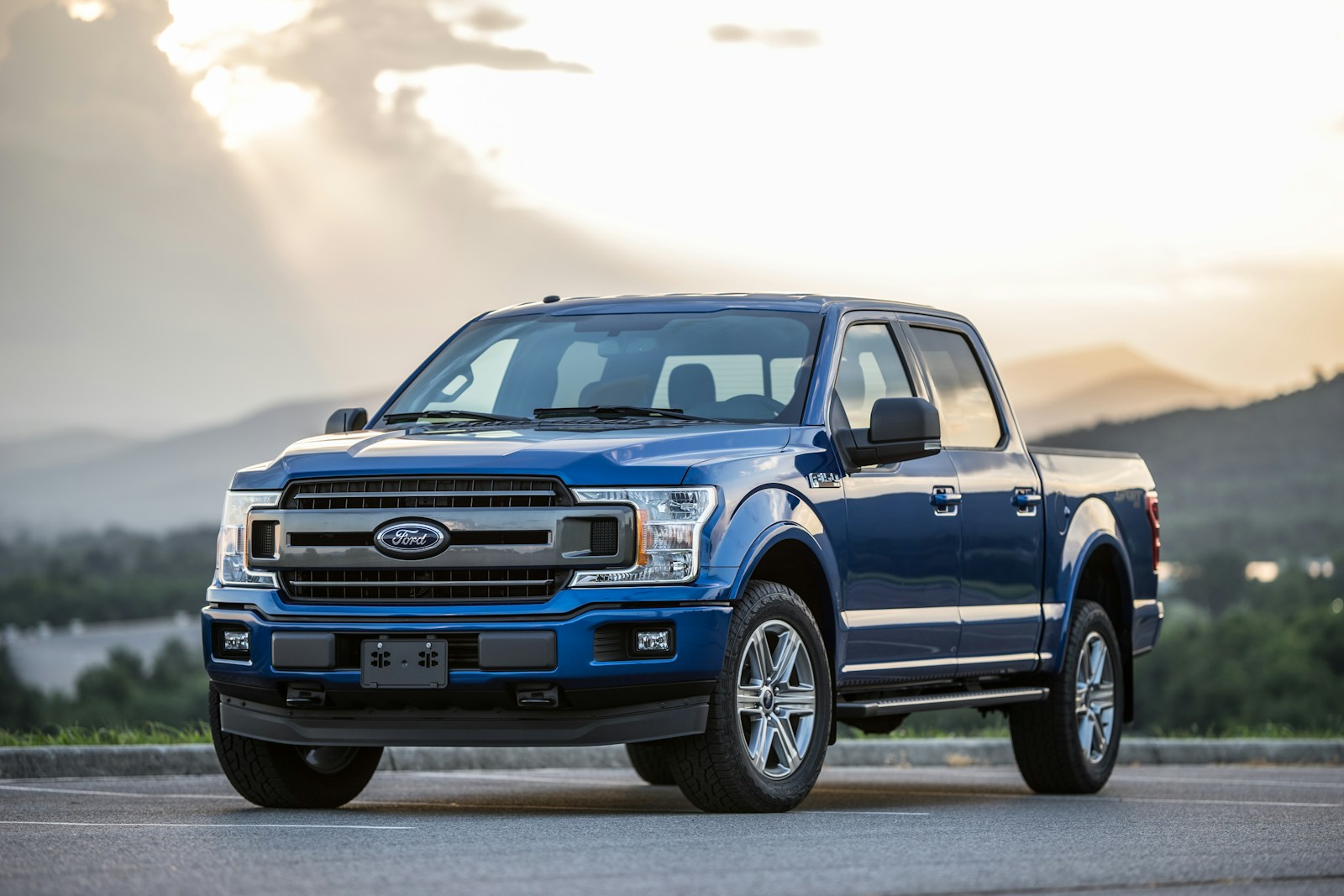
The Lariat’s glossy flyer promises a 13,000‑lb tongue‑pull, but the moment you hook up a trailer the math flips, insurance premiums rise, and a single mis‑step can melt your warranty. If you mistake that headline for a guaranteed number, you risk paying for a brake controller you never need or, worse, bruising a drivetrain that wasn’t built for the load.
Does the 13,000‑lb figure even apply to a stock Lariat?
The official rating assumes a 3.5‑liter EcoBoost, the 10‑speed automatic, and the optional Max Trailer Tow Package installed on a bare‑chassis model. Remove any aftermarket wheel‑covers, add a roof rack, and you instantly shed several hundred pounds of margin. The EPA’s payload chart lists a maximum payload of roughly 2,300 lb; once you fill the cabin with seats, a spare tire, and a full fuel tank, the remaining capacity for cargo and the trailer’s tongue weight shrinks dramatically.
Dealers also tack on a “max tongue weight” rule of 10 % of the gross trailer weight. That means a trailer advertised at 13,000 lb can legally sit on a Lariat only if its own weight sits under 1,300 lb. Many fifth‑wheel rigs exceed that figure, forcing owners to downgrade their load or purchase a higher‑spec truck.
How axle ratio and gear selection change the math?
The Lariat ships with a 3.73 rear‑axle ratio, a compromise between fuel economy and towing grunt. Swap to the available 4.10 ratio and the engine sees higher RPMs at any given road speed, delivering roughly 15 % more pulling power but at the cost of a noticeable dip in highway mpg. The 10‑speed’s first two gears are tuned for light‑load city driving; when you hit 5,000 lb of trailer weight the transmission will stay in third or fourth gear longer, increasing heat and wear.
Owners who forget to engage the “Tow/Haul” mode find the shift points stay aggressive, letting the torque converter slip under heavy load. That slip can manifest as a shudder that feels like a loose axle, yet it’s a symptom of the control module not being told you’re hauling.
What the trailer‑brake requirement really costs in real life?
Federal law demands a brake controller only when the trailer’s gross weight tops 3,000 lb, but Ford’s own guidelines push the threshold to 5,000 lb for the Lariat. Installing a proportional controller runs $150‑$300 for the unit plus labor that can climb to $200 if the dealer needs to re‑flash the vehicle’s CAN bus. Some owners opt for a stand‑alone unit that bolts to the dash, avoiding dealer fees but sacrificing integration with the vehicle’s existing stability‑control system.
Beyond the upfront price, a brake‑controller‑enabled trailer will likely trigger the truck’s trailer‑sway control at lower speeds, altering the way you brake in stop‑and‑go traffic. The result is a smoother stop but a subtle lag that can catch a new driver off‑guard.
Payload vs tow: the hidden weight you forget
Most owners focus on the tongue pull and ignore the fact that every pound sitting in the cab reduces the amount the chassis can safely support behind it. A full tank of 24 gal gasoline adds about 150 lb, while a set of factory‑mounted 18‑inch wheels can be another 80 lb heavier than the base steel rims. Add a roof‑rack, a spare tire, and a few toolboxes, and you’re already chewing into the 2,300‑lb payload envelope.
When you load a camper or a utility trailer, the tongue weight often sits at 12‑15 % of the total trailer weight. That extra 1,500‑lb of forward pressure forces the front axle to bear more load, which can reduce steering responsiveness and increase tire wear on the front set. The Lariat’s front suspension is calibrated for a nominal 500‑lb front‑axle load; surpassing that can cause premature ball‑joint wear.
Real‑world tests: numbers from owners and shops
A Colorado shop that routinely services heavy‑duty trucks logged a 13,000‑lb tongue pull on a stock Lariat equipped with the Max Tow Package, but only after swapping the rear axle to a 4.10 ratio and installing a heavy‑duty cooling kit. The engine’s coolant temperature hovered near 210 °F on a 30‑minute climb, prompting the shop to recommend an aftermarket oil cooler for anyone planning regular runs at that limit.
Conversely, a Texas hauler who attached a 12,500‑lb livestock trailer reported a consistent 11,800‑lb reading on his hitch‑scale, yet his brake pads wore out after 8,000 mi at a rate 30 % faster than a comparable truck towing under 8,000 lb. The faster wear correlated with the truck’s automatic downshifts that kept the engine in a high‑torque band, generating more heat in the brake system.
These anecdotes illustrate that the 13,000‑lb claim is not a universal ceiling; it hinges on a cascade of supporting components and disciplined driving habits.
Practical steps to stay within safe limits (and budget)
- Confirm axle ratio – If you plan to exceed 10,000 lb, budget $1,200‑$1,500 for a rear‑axle swap and the necessary recalibration.
- Install a dedicated brake controller – Expect $150‑$300 for the unit plus $100‑$200 labor if you use a dealer; a DIY kit can shave $50‑$100 off the total.
- Upgrade cooling – An aftermarket oil cooler and transmission cooler kit runs $300‑$600 each, but they keep temperatures below 200 °F on prolonged climbs.
- Track payload – Purchase a digital load‑cell seat‑belt or a portable hitch‑scale for $100‑$250; the data helps you keep front‑axle pressure under the 500‑lb sweet spot.
- Schedule brake service – Replace pads and rotors every 15,000‑20,000 mi when regularly towing above 9,000 lb; the job typically costs $250‑$400 per axle at an independent shop.
Following this checklist adds roughly $2,000‑$3,000 to the truck’s baseline price, but it prevents the hidden expenses of premature component failure and warranty disputes.
What to double‑check before you sign any paperwork
- Verify the exact rear‑axle ratio listed on the window sticker; a lower ratio can shave a few thousand pounds off the advertised tow rating.
- Ensure the Max Trailer Tow Package is included; without it the factory‑installed hitch may not be rated for the full 13,000 lb.
- Confirm the vehicle’s Gross Vehicle Weight Rating (GVWR) and Gross Combined Weight Rating (GCWR) on the door jamb; the difference between the two tells you the true upper bound for trailer weight after accounting for payload.
- Ask the dealer for a copy of the brake‑controller wiring diagram; a mismatched connector can void the integration and force a costly retrofit.
- Review the warranty booklet for any clauses that exclude coverage when the truck operates above the advertised tow limit; some manufacturers will deny power‑train repairs if you exceed the quoted figure by more than 10 %.
Doing these final checks keeps the Lariat’s 13,000‑lb promise from turning into an expensive lesson.